


Mineral Sunscreen vs. Chemical Sunscreen: Understanding the Difference
Protecting your skin from daily sun exposure is one of the most important steps in any skincare routine. But when shopping for sunscreen, many consumers find themselves asking the same question: what is the difference between mineral sunscreen and chemical sunscreen?
Understanding how these two types of sunscreen work can help you make a more informed decision for your skin type, lifestyle, and personal preferences. While both are designed to help protect the skin from harmful UV rays, they function very differently.
At 3rd Rock Essentials, we believe consumers deserve clear information about the ingredients they put on their skin. Here’s what you should know about mineral sunscreen and chemical sunscreen.
What Is Mineral Sunscreen?
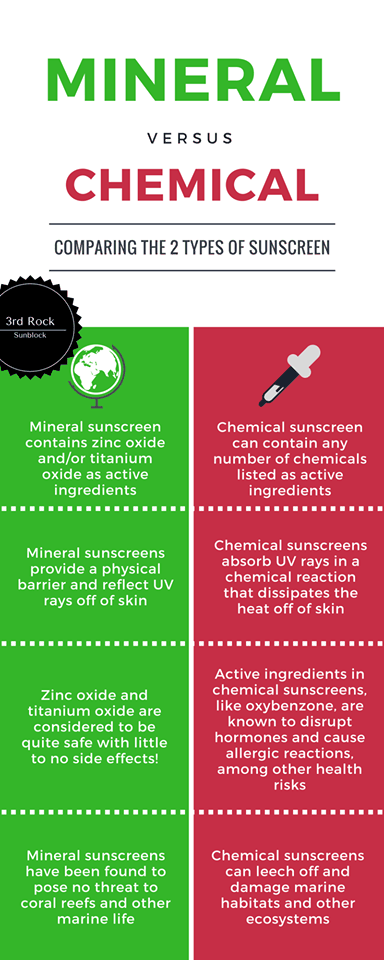
Mineral sunscreen, sometimes called physical sunscreen, uses naturally derived mineral UV filters to help protect the skin from ultraviolet radiation. The two most common active ingredients found in mineral sunscreen are:
- Zinc oxide
- Titanium dioxide
These minerals sit on the surface of the skin and help reflect or scatter UV rays away from the skin.
Mineral sunscreen is widely recognized for providing broad-spectrum protection against both UVA and UVB rays. Because it works on the skin’s surface, protection begins immediately after application.
What Is Chemical Sunscreen?
Chemical sunscreen uses organic UV-filtering compounds that absorb ultraviolet radiation and convert it into heat before releasing it from the skin.
Common active ingredients found in chemical sunscreen may include:
- Avobenzone
- Octinoxate
- Octisalate
- Homosalate
- Oxybenzone
Unlike mineral sunscreen, chemical sunscreen typically needs to absorb into the skin before becoming fully effective. Most labels recommend applying chemical sunscreen approximately 15–20 minutes before sun exposure.
Most of these chemical ingredients have chemical structures containing a benzene group which allows for the potential for benzene exposure when the sunscreen degrades. If you have listened to the many “Science of Sunscreen” talks Dr. Guerry has given, you know this degradation begins to occur immediately in the presence of the sun.
How Mineral Sunscreen and Chemical Sunscreen Work Differently
The primary difference between mineral sunscreen and chemical sunscreen is the way they protect the skin from UV rays.
Mineral Sunscreen
Mineral sunscreen forms a protective barrier on the skin’s surface that reflects and scatters UV radiation.
Chemical Sunscreen
Chemical sunscreen absorbs UV radiation and transforms it into heat, which is then released from the skin.
Both types can help reduce UV exposure when used as directed and reapplied properly.
Benefits of Mineral Sunscreen
Many consumers prefer mineral sunscreen because of its gentle, skin-friendly profile.
1. Immediate Protection
Mineral sunscreen begins working as soon as it is applied to the skin.
2. Suitable for Sensitive Skin
Many people with sensitive skin prefer mineral sunscreen formulations because zinc oxide and titanium dioxide are generally considered mild and non-irritating.
3. Broad-Spectrum Coverage
Zinc oxide, in particular, is known for offering broad-spectrum UVA and UVB protection.
4. Less Likely to Cause Eye Irritation
Some users find mineral sunscreen less irritating around the eyes compared to certain chemical sunscreen ingredients.
5. Simple Ingredient Profile
Consumers seeking minimalist skincare products often appreciate the straightforward ingredient profile commonly found in mineral sunscreen formulations.
Benefits of Chemical Sunscreen
Chemical sunscreen also offers advantages depending on individual preferences and lifestyle needs.
1. Lightweight Texture
Chemical sunscreen formulations are often thinner and more lightweight on the skin.
2. Easier Cosmetic Finish
Many chemical sunscreens blend easily without leaving a visible white cast.
3. Water-Resistant Formulas
Some chemical sunscreen formulations are designed for extended outdoor activities and sports.
Common Concerns About Mineral Sunscreen
One of the most common concerns associated with mineral sunscreen is the potential for a white cast, especially on deeper skin tones. However, modern formulations have improved significantly, with many brands now offering micronized or tinted mineral sunscreen options for better blendability.
Some mineral sunscreen formulas may also feel thicker on the skin compared to chemical sunscreens.
Common Concerns About Chemical Sunscreen
Certain chemical sunscreen ingredients have received increased consumer attention in recent years due to concerns about skin sensitivity and environmental impact.
Some users may experience irritation, stinging, or breakouts with certain chemical UV filters. Additionally, some regions have restricted specific sunscreen ingredients due to concerns about coral reef ecosystems.
Consumers with sensitive skin often prefer mineral sunscreen because of its reputation for gentler skin compatibility.
Which Sunscreen Is Better?
3rd Rock believes in natural, chemical-free, mineral sunscreen options. Mineral sunscreen are better for people and the environment, while chemical sunscreen provide a better “look” or “feel”. Many chemical sunscreens are banned from beaches around the world, including Hawaii.
However, mineral sunscreen is often preferred by consumers looking for:
- Sensitive skin support
- Broad-spectrum mineral protection
- Simpler ingredient profiles
- Immediate UV protection
- Daily facial sunscreen options
- Non-benzene potential in degradation of ingredients
- Protection of Coral Reefs
Chemical sunscreen may appeal to consumers seeking:
- Lightweight textures
- Invisible finishes
- Water-resistant sports formulas
Tips for Choosing a Mineral Sunscreen
When selecting a mineral sunscreen, consider the following:
- Look for broad-spectrum protection
- Choose SPF 30 or higher for daily use
- Check for zinc oxide or titanium dioxide as active ingredients
- Consider tinted formulas if white cast is a concern
- Reapply every two hours during sun exposure
Daily sunscreen use remains one of the most effective ways to support long-term skin health and help reduce the effects of environmental stressors caused by UV exposure.
Final Thoughts on Mineral Sunscreen
Understanding the difference between mineral sunscreen and chemical sunscreen helps consumers make informed skincare decisions based on their skin type, lifestyle, and ingredient preferences.
At 3rd Rock Essentials, we believe thoughtful ingredient selection and informed skincare choices are essential parts of maintaining healthy-looking skin. Whether you choose mineral sunscreen or chemical sunscreen, consistent sun protection is one of the most important daily habits for supporting overall skin wellness.


